New: 1-833-691-9150
Used: 1-855-594-7682
Service & Parts: 450-691-9541

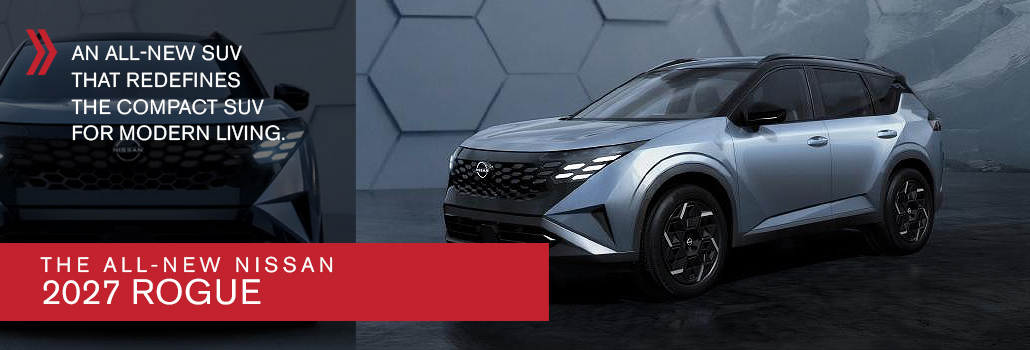
The Nissan Rogue is about to reach a new milestone. For 2027, Nissan has announced the arrival of an all-new Rogue hybrid equipped with third-generation e-POWER technology. For drivers in Châteauguay and the South Shore of Montreal who appreciate the versatility of the Rogue but want to reduce their fuel consumption, this new powertrain could be a particularly attractive option.
Unlike a plug-in hybrid vehicle, the 2027 Nissan Rogue e-POWER will not need to be plugged in. Its gasoline engine will serve primarily to produce the electricity needed to power its electric motors. The wheels will therefore be driven by electric energy, a configuration designed to provide quick response and smooth handling.
As the 2027 Rogue hybrid has not yet arrived at Nissan dealerships in Canada, several important technical specifications remain to be confirmed. Its final power output, official fuel consumption, cargo volume, and certain equipment may evolve before it goes on sale.
While awaiting its arrival, drivers can discover the Nissan Rogue currently offered, as well as the Nissan Rogue plug-in hybrid, and compare the different ways to electrify their commute.
The 2027 Rogue hybrid will use the third generation of Nissan e-POWER technology. It is a different approach than that of many conventional hybrid vehicles.
In a traditional gasoline vehicle, the internal combustion engine transmits its power directly to the wheels via the transmission. In an e-POWER system, the gasoline engine acts instead as a generator to power the battery and electric motors. It is these electric motors that provide propulsion for the vehicle.
This distinction is important. Nissan seeks to combine certain advantages of electric driving, such as instant throttle response and smooth operation, with the simplicity of a vehicle that you refuel at a gas station.
According to Nissan, nearly two million previous-generation e-POWER vehicles have been sold globally since 2016. The 2027 Rogue will now benefit from the third generation of this technology.
For a driver in Châteauguay who makes daily trips between home, work, school, and shops, this combination can be particularly interesting. There is no need to install a home charging station or change your charging habits: you simply fill up with gas when necessary.
This is probably one of the most important features to understand about the future hybrid Rogue.
The 2027 Nissan Rogue e-POWER hybrid will not be a plug-in hybrid vehicle. Its gasoline engine will produce the energy needed to power the electrical system, meaning it will never be necessary to plug the vehicle into a charging station.
This technology could suit drivers who want to enjoy electrified driving without having to plan charging periods. It is particularly practical for people living in apartments or condominiums, or for those who do not have a charging station at home.
This configuration will distinguish it from the Nissan Rogue plug-in hybrid. The PHEV has a battery that can be recharged from an external source, allowing for certain trips to be made using the energy stored within it.
The two technologies therefore meet different needs. The PHEV can be advantageous for a driver able to regularly recharge their vehicle, while the e-POWER focuses more on ease of use.
Nissan indicates that the 2027 Rogue e-POWER hybrid will use two electric motors to drive the wheels. The gasoline engine will act as a generator to power the battery and the electrical system.
This architecture also means the driving experience will be different from that of a conventional Rogue. Nissan emphasizes quick torque availability and smooth acceleration.
The manufacturer also announces intelligent all-wheel drive as standard. This is a particularly relevant feature for Quebec, where road surfaces can change from dry to snowy or icy during a single winter trip.
For driving between Châteauguay, Mercier, Beauharnois, Saint-Constant, Candiac, and Montreal, a system capable of adapting traction to road conditions can be a significant advantage.
However, we will have to wait for the publication of final Canadian specifications to know the official power and torque of the 2027 Rogue hybrid. It would be premature to attribute figures to the model that have not yet been confirmed by Nissan Canada.
Fuel economy will naturally be one of the main topics of interest surrounding the 2027 Rogue hybrid. It is also one area where one must be cautious before its arrival.
At the time of writing, official Canadian fuel consumption data for the 2027 Rogue hybrid is not yet available. It is therefore not possible to announce a precise consumption in L/100 km.
The e-POWER technology is nevertheless designed with energy efficiency as a central goal. Since the gasoline engine is used to generate electricity rather than directly driving the wheels, Nissan can manage its operation differently than a conventional powertrain.
This could be particularly interesting in environments where acceleration, deceleration, and stops are frequent. Think of daily trips in Châteauguay, routes to Montreal, or periods of heavier traffic on the South Shore’s major arteries.
Canadian consumption figures will, however, have to be evaluated when they are certified. Winter temperatures, heating, winter tires, driving style, and road conditions can also influence the real-world consumption of an electrified vehicle.
The 2027 Nissan Rogue hybrid will also offer the e-Pedal feature.
This technology allows the driver to use primarily the accelerator pedal to manage acceleration and some deceleration in many situations. When the driver releases the accelerator, the vehicle can slow down more markedly than with a conventional car.
On trips involving many stops and starts, this approach can make driving particularly intuitive once you get used to it.
For a family traversing Châteauguay daily or for a driver dealing with traffic toward Montreal, the e-Pedal feature could therefore become one of the most appreciated technologies of the new hybrid Rogue.
The Rogue has long been appreciated for its versatility. Nissan indicates that the 2027 model will retain this philosophy while benefiting from a completely redesigned conception.
The official cargo capacity of the 2027 Rogue hybrid has not yet been confirmed. It will notably be necessary to see how Nissan will integrate the various components of the e-POWER system and the battery into the vehicle.
This is important data for families in Châteauguay and the South Shore. A compact SUV must be able to carry grocery bags and school bags as easily as strollers, sports equipment, luggage, or items needed for a weekend getaway outside the city.
When the Canadian dimensions are published, it will be particularly interesting to compare the volume behind the second row and the maximum capacity when the rear seats are folded down with those of the current Rogue.
The e-POWER powertrain will be at the heart of the novelty, but the 2027 Rogue will also be a connected vehicle.
The final list of screens, multimedia systems, and Canadian features will depend, however, on the versions offered by Nissan Canada. Some technologies could also be reserved for specific trim levels.
Owners of compatible Nissan vehicles can already enjoy various connected services via NissanConnect. Nissan’s digital ecosystem allows for the integration of several features related to the vehicle and its daily use.
The MyNISSAN app also allows owners of compatible vehicles to access various services from their smartphones.
We will have a better idea of the integration of these technologies into the 2027 Rogue hybrid when Nissan reveals the versions and equipment intended for the Canadian market.
The arrival of new powertrains means that buyers will have more possibilities to choose a Rogue that fits their habits.
The 2026 Rogue remains an interesting solution for drivers looking for a versatile SUV with a conventional powertrain and who wish to buy a vehicle without waiting for the arrival of the 2027 hybrid model.
The Rogue plug-in hybrid offers a different approach. Its battery can be recharged to take more advantage of electric energy for daily trips. For an owner with a home charging solution, this formula can be particularly attractive.
The 2027 Rogue e-POWER hybrid will seek to bridge the gap between these two worlds. It will offer propulsion provided by electric motors without requiring external charging.
| Feature | 2026 Nissan Rogue | Rogue plug-in hybrid | 2027 Rogue e-POWER hybrid |
| Powertrain type | Gasoline | Plug-in hybrid | e-POWER hybrid |
| Main propulsion source | Gasoline engine | Gasoline-electric system | Electric motors |
| External charging | No | Yes | No |
| Gasoline engine | Yes | Yes | Yes, used notably as a generator |
| All-wheel drive | Depending on configuration | Depending on configuration | Intelligent all-wheel drive announced as standard |
| Ideal use | Versatility and immediate availability | Driver able to charge regularly | Electrification without plugging in |
The exact characteristics must always be verified according to the model year, version, and Canadian specifications. This table is primarily to illustrate the fundamental differences between the three approaches.
You can consult our inventory of new Nissan Rogues and Rogue plug-in hybrids to discover the vehicles currently available at Solution Nissan.
A hybrid vehicle makes full sense when evaluated in the conditions where it will actually be used.
In Châteauguay, needs can change considerably during the same week. A Rogue can be used for school drop-offs in the morning, the commute to Montreal for work, evening errands, and a family getaway on the weekend.
The proximity of Highway 30 also facilitates travel to various municipalities on the South Shore and in the Montérégie. In this context, the combination of interior space, all-wheel drive, and energy efficiency sought by Nissan with e-POWER could give the 2027 Rogue hybrid a personality particularly well-suited to the region.
Winter is obviously another important factor. The intelligent all-wheel drive announced as standard will be interesting when snow accumulates on the roads of Châteauguay, Mercier, Léry, or Beauharnois. As with any vehicle, good winter tires will nonetheless remain essential.
The announcement of a new vehicle inevitably raises a question: is it better to wait?
The answer depends mainly on your needs.
If your current vehicle needs to be replaced soon, waiting for a model whose availability, versions, and final prices are not yet fully known is not necessarily the best solution. The Nissan Rogue currently offered already allows you to enjoy a versatile compact SUV well-adapted to a family’s needs.
The Rogue plug-in hybrid also constitutes an alternative for drivers who wish to switch to an electrified powertrain now.
A test drive at Solution Nissan allows you to determine what really matters to you: driving position, seat comfort, rear space, trunk dimensions, road handling, and technologies.
Nissan announces the arrival of the all-new Rogue hybrid for late 2026. The exact availability at Canadian dealerships and in Châteauguay will, however, have to be confirmed closer to the launch. Dates may also vary according to versions and vehicle allocations.
No. According to information announced by Nissan, the 2027 Rogue e-POWER hybrid will use a gasoline engine to power its electrical system and will not require external charging. It will be enough to just fill up with fuel.
The official Canadian consumption is not yet confirmed. It will be necessary to wait for certification data to obtain a reliable value in L/100 km. Energy efficiency is, however, one of the main goals of the third-generation e-POWER technology.
Yes. Nissan announces intelligent all-wheel drive as standard for the new Rogue e-POWER hybrid. This feature should be particularly interesting for the winter conditions of Châteauguay and Quebec.
The final Canadian power output has yet to be confirmed. Nissan indicates, however, that two electric motors will drive the wheels and emphasizes instant response as well as rapid and smooth acceleration.
The main difference concerns how electricity is obtained. The Rogue plug-in hybrid has a battery that can be recharged at an external source. The 2027 Rogue e-POWER will not need to be plugged in: its gasoline engine will produce the electricity needed for the system’s operation.
The Canadian price is not yet confirmed. It will depend notably on the versions and equipment chosen by Nissan Canada. It will therefore be necessary to wait for the official announcement before comparing its price precisely with that of the conventional Rogue and the Rogue plug-in hybrid.
This is clearly one of the model’s goals. Nissan asserts that the new generation will retain the versatility that contributed to the Rogue’s success. Definitive dimensions and cargo capacities will, however, have to be confirmed before being able to precisely quantify its interior space.
The 2027 Nissan Rogue e-POWER hybrid represents an important evolution for one of Nissan’s best-known SUVs. Its no-plug hybrid technology, two electric motors, intelligent all-wheel drive, and e-Pedal feature announce a particularly interesting approach to electrification.
However, there remain several elements to discover. Power, Canadian consumption, cargo capacity, versions, equipment, and prices will have to be confirmed as Nissan Canada unveils the vehicle’s details.
It is, however, not necessary to wait until 2027 to discover the Rogue family. You can explore our inventory of Nissan Rogues and Rogue plug-in hybrids right now, then book a test drive to discover the model that best fits your daily life.
Whether you live in Châteauguay, Mercier, Léry, Beauharnois, Saint-Constant, Sainte-Catherine, Candiac, La Prairie, or elsewhere on the South Shore of Montreal, the team at Solution Nissan can accompany you in your choice between a gas-powered Rogue, a plug-in hybrid powertrain, and, when it becomes available, the new Rogue e-POWER hybrid.
To obtain more information about the Rogue range or follow the arrival of new models, you can also contact Solution Nissan in Châteauguay.

Offer valid on: Rogue
Lease starting from $99 weekly
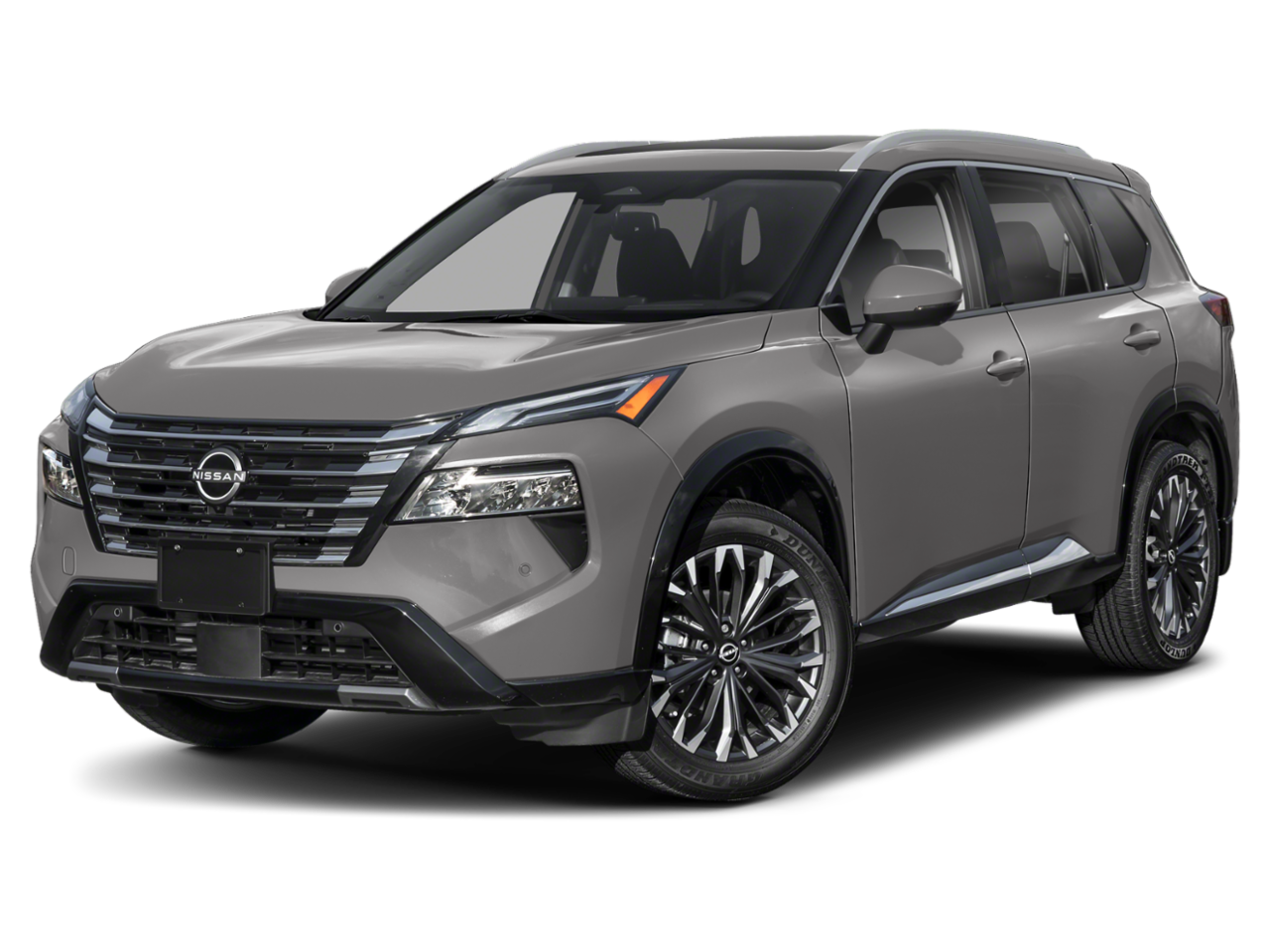
$6,000
in rebates* Photo for illustrative purposes only. Certain conditions apply.
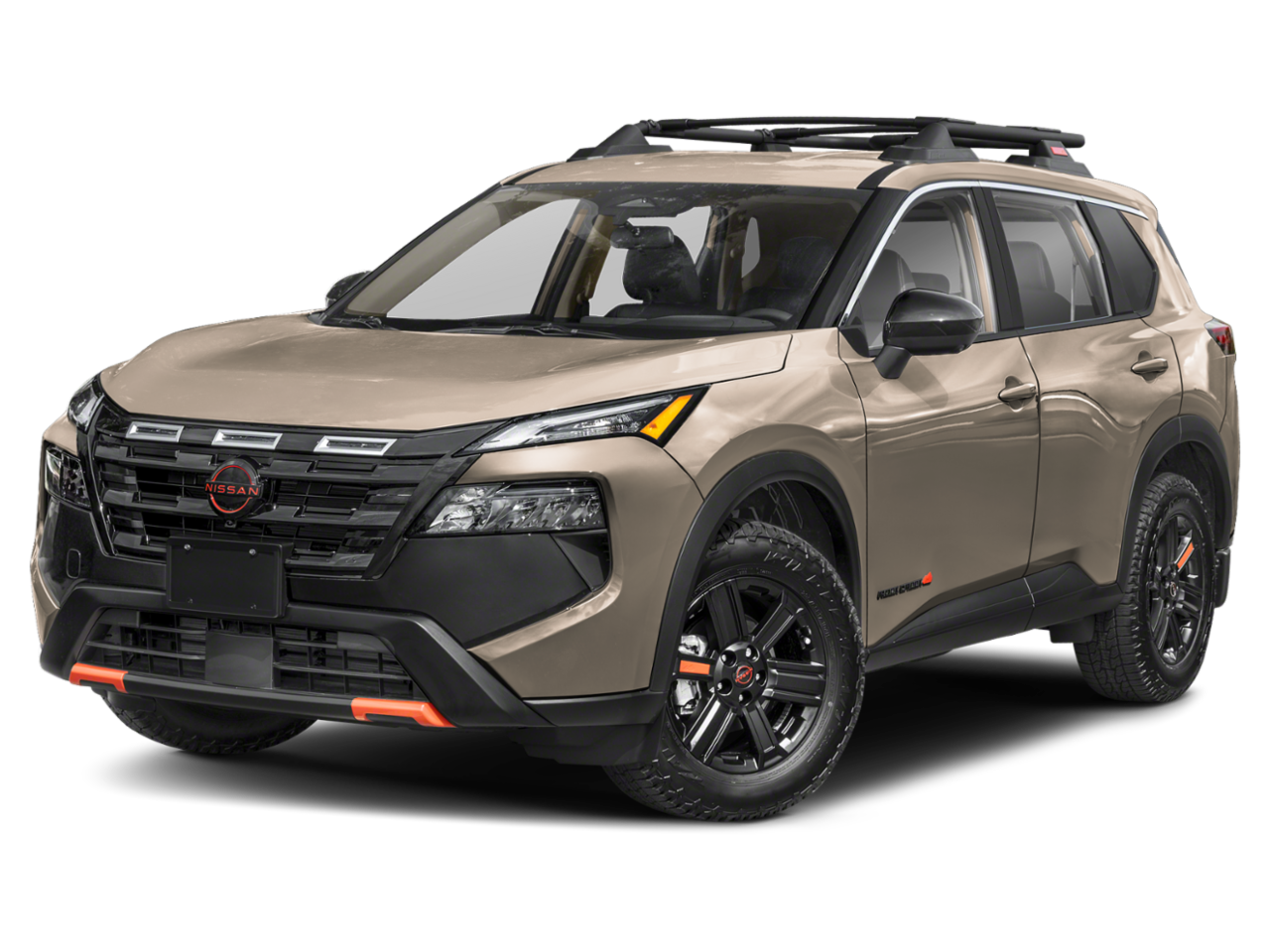
$5,000
in rebates* Photo for illustrative purposes only. Certain conditions apply.
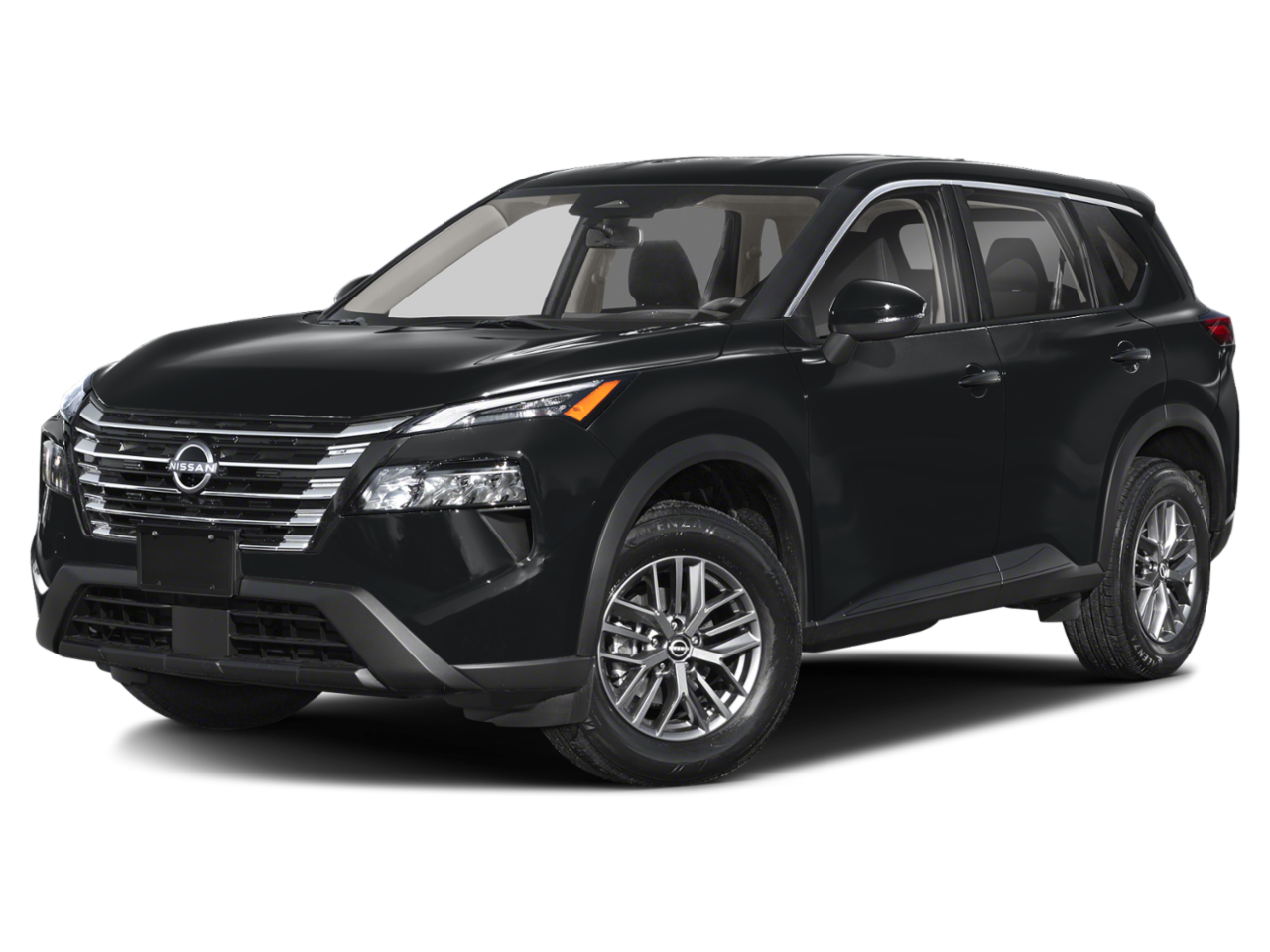
$99
weekly for 36 months at 0%
Retail price
$36,475
$1,200 Nissan Bonus included
* Photo for illustrative purposes only. Certain conditions apply.
Offer valid on: Rogue
Lease starting from $99 weekly
$6,000
in rebates* Photo for illustrative purposes only. Certain conditions apply.
$5,000
in rebates* Photo for illustrative purposes only. Certain conditions apply.
$99
weekly for 36 months at 0%
Retail price
$36,475
$1,200 Nissan Bonus included
* Photo for illustrative purposes only. Certain conditions apply.